


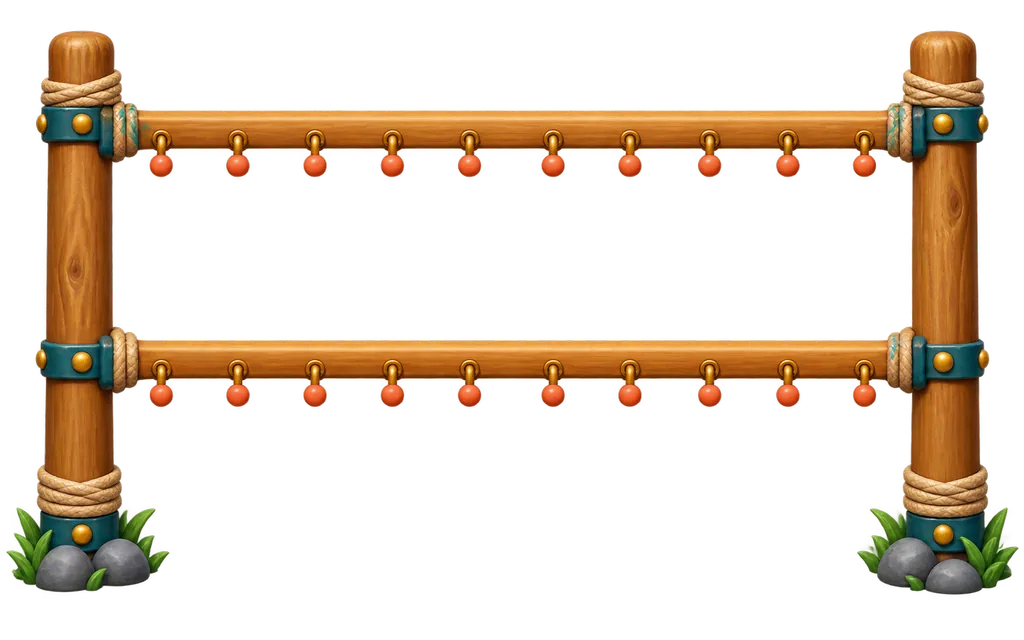
Learn the math: Comparing Differences
A comparison difference counts the extra items left after matching equal pairs. Subtraction gives the same result.
A worked example
Pair 7 lanterns with 4 lanterns. Four pairs form and three lanterns remain, so 7 − 4 = 3.
Keep in mind while you play
Count only the unpaired lanterns when answering how many more.
Why this strategy works
Pairing one lantern from each row reveals the shared amount. The lanterns left without partners show the difference between the two groups.
Work through it step by step
- For eight lanterns in one row and five in the other, make five pairs.
- Each pair uses one lantern from each row. Three lanterns in the larger group remain unpaired.
- Choose 3 for how many more. The same difference tells how many fewer are in the smaller group.
A mistake to watch for
Adding both rows gives the total lanterns, not the difference. Counting all eight in the larger row also includes the five that already have partners.
Try it yourself
One group has ten lanterns and another has seven. How many fewer lanterns are in the smaller group?
Show the answer and reasoning
3 lanterns. Seven pairs use all seven lanterns in the smaller group and leave three from the larger group: 10 − 7 = 3.
Talk about the thinking
Ask which group has more before asking how many more. Then have your learner point only to the objects that explain the difference.